Lab-grown diamonds · fancy colors · specialty cuts
About / evidence-led B2B sourcing

About DiamovaLab

One brand coordinates two clearly separated buyer journeys: application-led CVD diamond materials and specification-led professional lab-grown diamond sourcing.

Primary route
Thermal application → drawing → material and evidence review
Separate route
Stone or parcel brief → report and availability review
Industrial-site entrance with buildings, trees and an access gate
Industrial-site entranceProject-supplied factory photograph
Inside the working environment

From workshop to storage.

Explore the workshop, its central aisle and the storage area. Discuss the equipment, operations and handling requirements relevant to your project.

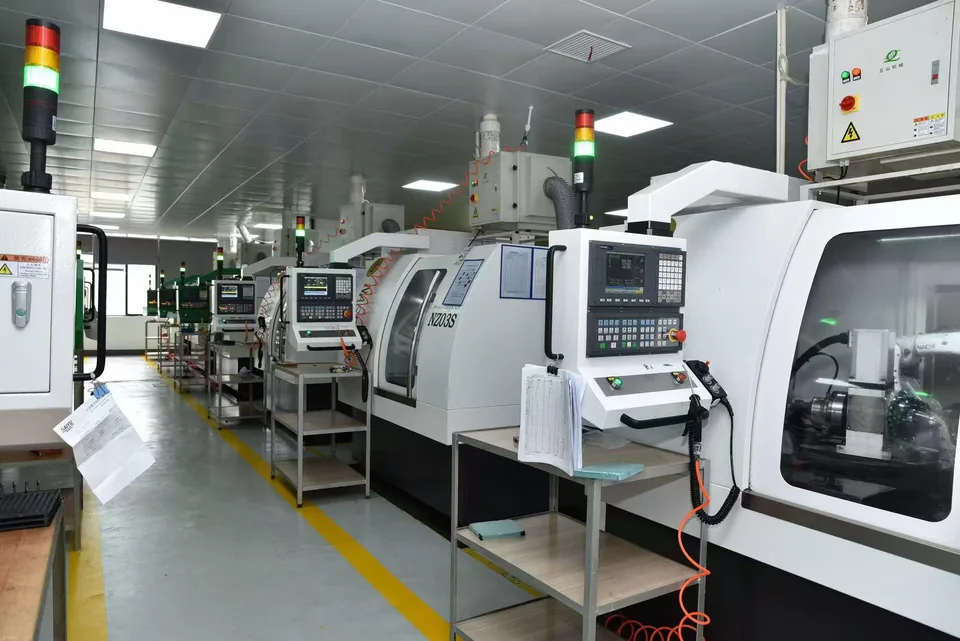
Row of enclosed machining equipment and control panels in a workshop
Machining workshop
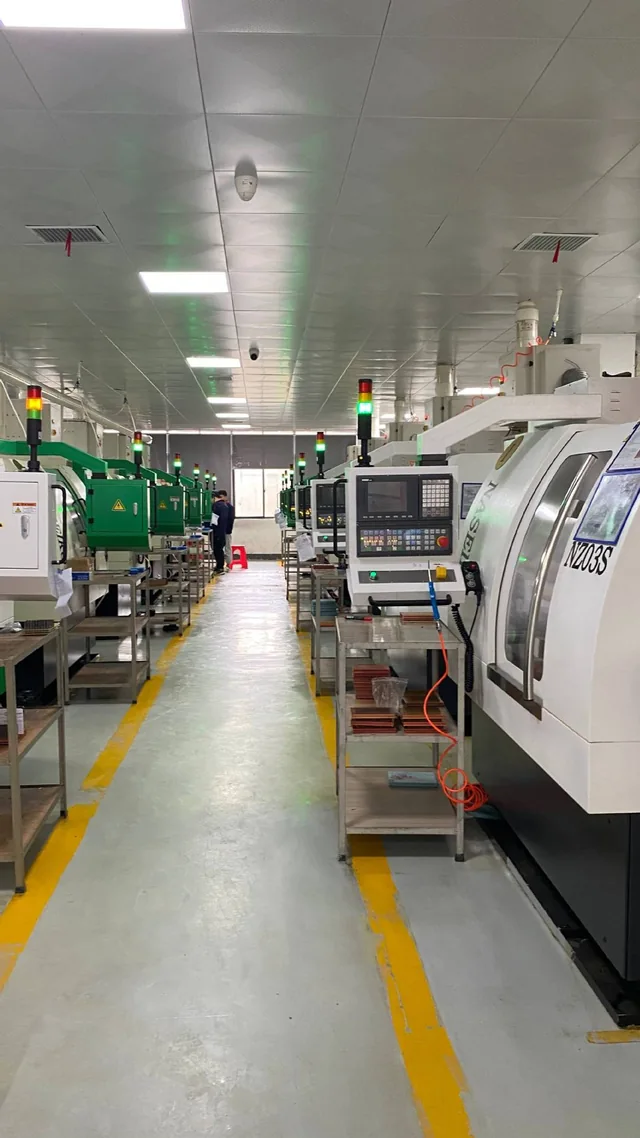
Workshop aisle between rows of enclosed machines and their control panels
Workshop aisle
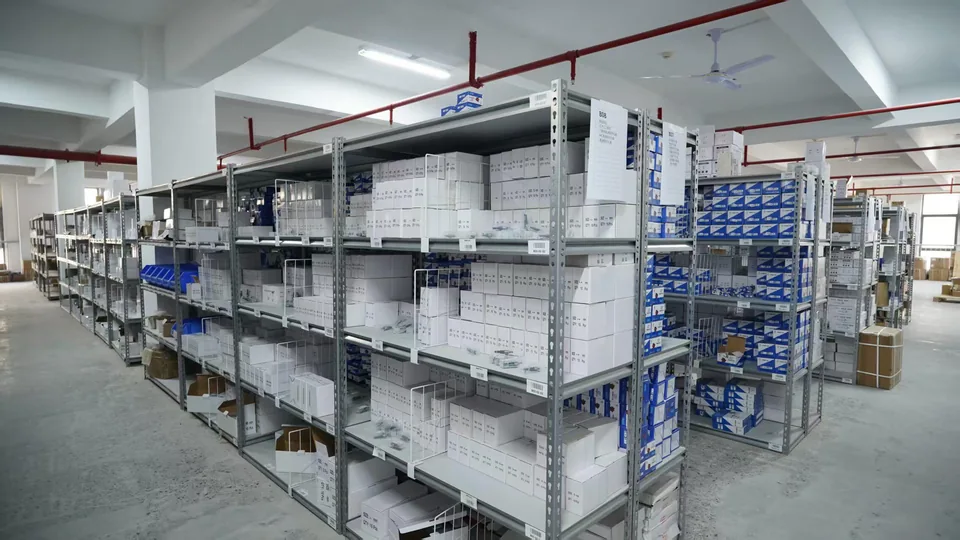
Storage area with labelled shelving, boxes and parts bins
Storage and organization

Start with the finished part.

Connect your drawing to the processing, inspection and delivery scope.

Explore the process environment

Project-supplied factory photographs. Facility and processing responsibilities are confirmed in the project scope.

01 / Business paths

Two paths. One evidence rule.

Each route uses its own specification language, proof and quotation questions. Nothing is transferred from one route simply because both involve diamond.

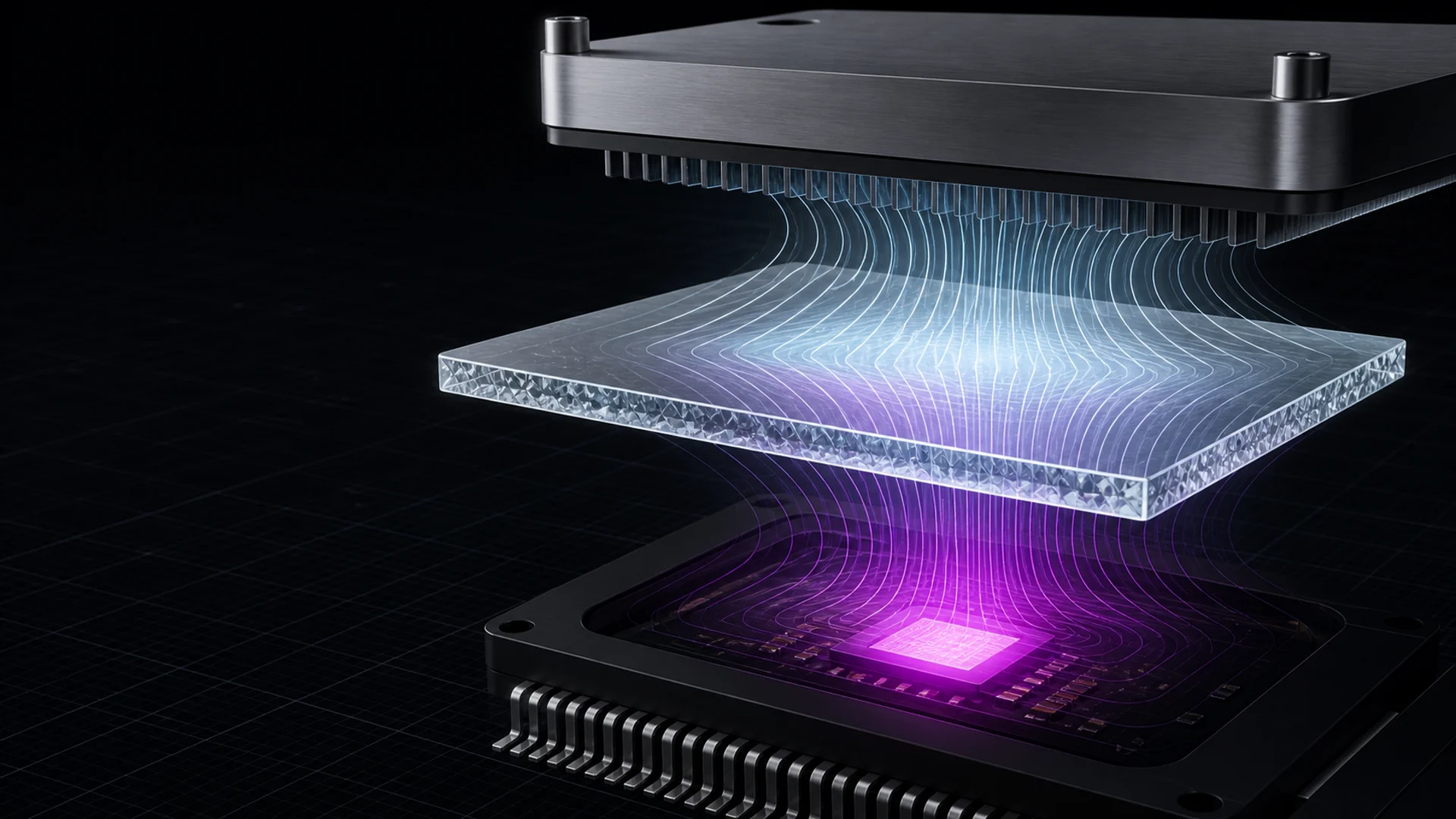
Thermal engineering visualization linking a heat source, CVD diamond layer and cooling path
Primary / industrial

CVD diamond materials

Start with the heat path, geometry, surface, interface and required acceptance evidence.

  • Heat spreaders
  • Single-crystal plates
  • Polycrystalline plates
Explore industrial materials
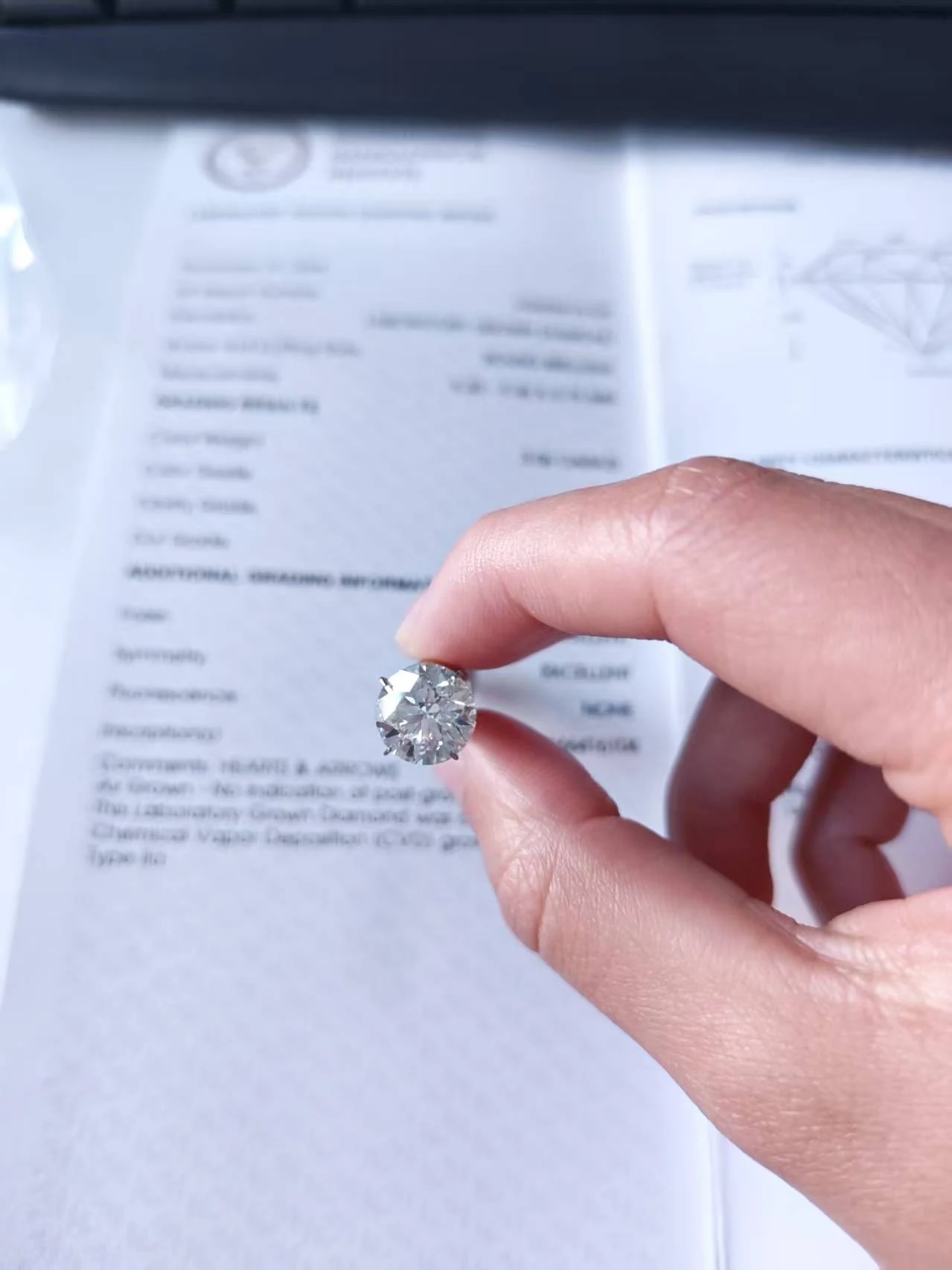
Loose lab-grown diamond sample used to introduce professional sourcing requirements
Separate / jewelry

Professional diamond sourcing

Start with method disclosure, shape, size, grading, certificate, order format and quantity.

  • Single stones
  • Matched or calibrated sets
  • Controlled parcels
Open jewelry sourcing
02 / Working model

From request to scope.

The review turns a broad buying question into fields that can be compared, evidenced and quoted without overstating what has been confirmed.

  1. 01

    Frame the task

    Application, purchase format, decision owner and timing.

  2. 02

    Lock the fields

    Geometry, material, surface, grading or certificate requirements.

  3. 03

    Match the proof

    Keep every result, report, image and item tied to its subject.

  4. 04

    Define the scope

    State the available route, responsibilities and acceptance boundary.

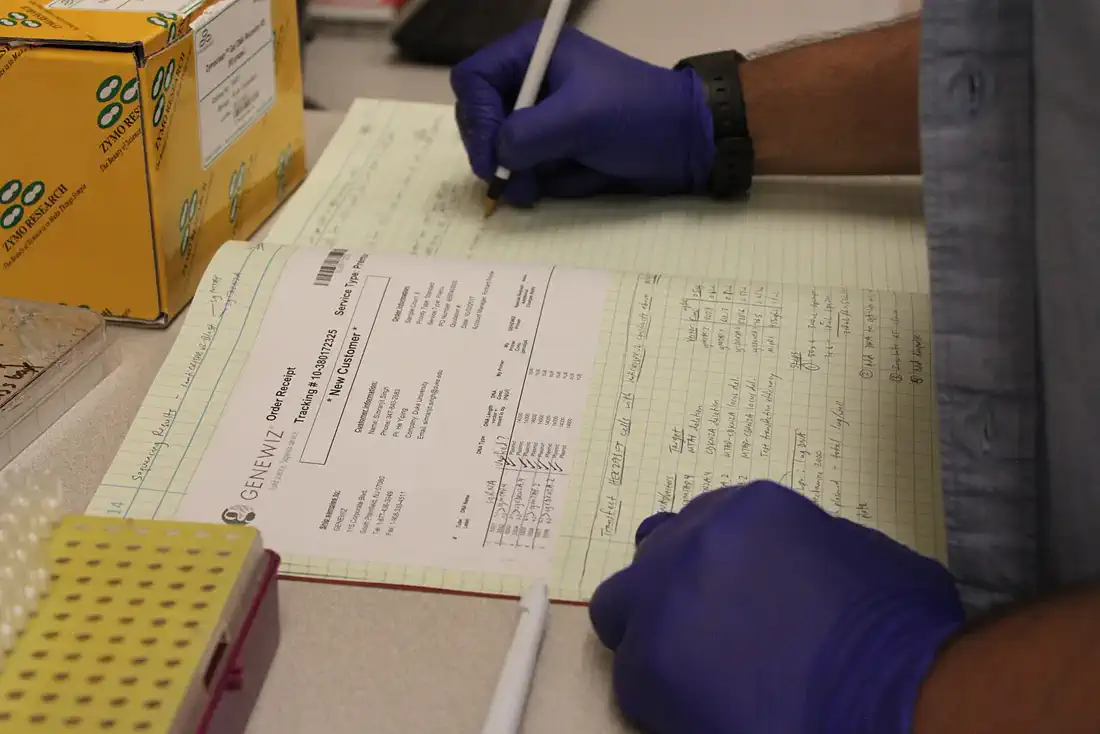
Structured technical report and traceability reference
Licensed reference · evidence and traceability context
04 / Evidence boundary

Proof stays with its subject.

A useful record identifies what was reviewed, how it was reviewed and what the result can support. That boundary protects both the buyer and the quotation.

Material record
Named sample, condition, method and result.
Jewelry report
Named item, inscription, grading and disclosure.
Reference media
Context only unless ownership and scope are established.
Working with DiamovaLab

Why the paths stay separate

These answers define the working boundary behind material, jewelry, evidence and quotation pages.

What is DiamovaLab focused on?

The primary path supports application-led CVD diamond material enquiries for thermal systems. A separate professional path supports specification- and certificate-led lab-grown diamond sourcing.

Why are industrial and jewelry enquiries separated?

They use different specification fields, evidence, commercial questions and review responsibilities. Separate paths reduce ambiguity and protect the identity of each document or item.

Does DiamovaLab claim every process is performed in-house?

No. Material supply, specialist processing, inspection and logistics responsibilities are defined for the quoted project. A partner or sourced step is not presented as an in-house operation.

How are specifications published?

Buyer requirements are compared with the available material, process and inspection route. Quotation documents identify the applicable specification, evidence and commercial scope rather than relying on generic market ranges.