Single-crystal CVD diamond plates
Use when orientation, material condition, surface and property-specific acceptance must travel together.
- Orientation
- Surface
- Property target
- Sample traceability
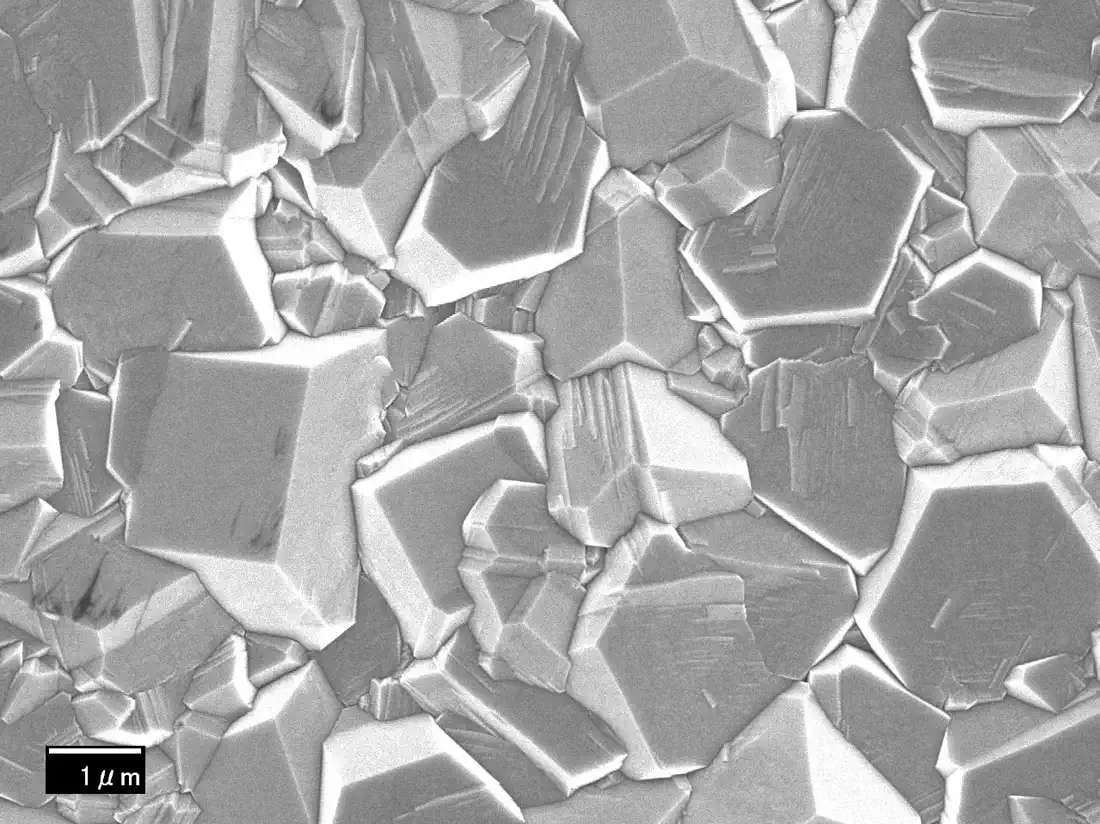
Compare single-crystal and polycrystalline CVD diamond against the application and drawing. For wafer formats, also define diameter, total thickness variation, bow, edge conditions and batch consistency.

Compare the routes by application, usable area, thickness, crystal route, surface and batch evidence. Open a crystal-specific page only when that route is already known.

Use when orientation, material condition, surface and property-specific acceptance must travel together.

Use when usable area, grade meaning, shape control and repeatable batch criteria drive the review.

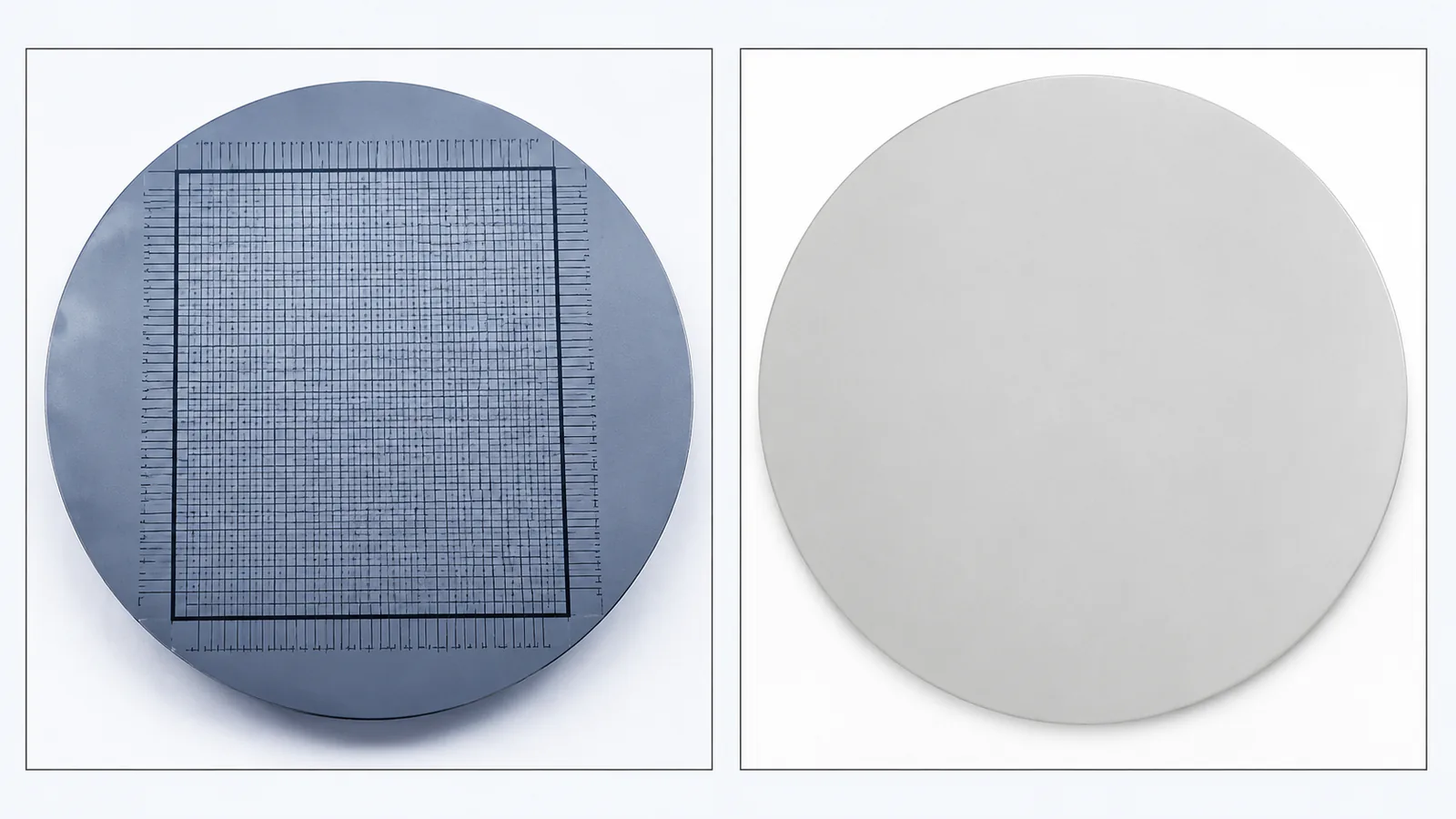
The supplied illustration is useful for discussing visible circular format only. It does not confirm the material, product identity, diameter, pattern, process, inventory or performance.
The supplied clip retains two distinct scenes: water-jet-guided laser interaction first, then a separate machining scene with coolant. They are shown as process references, not as one continuous production sequence. The media does not establish the workpiece material, facility ownership, machine models, tolerance, yield or DiamovaLab service scope.
Use consistent units and field names in the drawing, inspection record and enquiry so the quoted plate can be checked against the same specification.
Single-crystal, polycrystalline or open selection
Product matrix requiredRectangular plate, disc or wafer-format requirement
Capability range requiredLength and width or diameter, thickness and tolerance
Client specifications requiredSingle- or double-side finish, Ra and visual criteria
Inspection method requiredFlatness, bow, warp and TTV where applicable
Measured limits requiredThermal, optical, electrical or other project-specific need
Application evidence requiredQuantity and consistency or traceability expectations
QC evidence requiredCutting, polishing, coating, metallization or integration need
Process ownership requiredActual single-crystal and polycrystalline proposals are compared with common definitions, project dimensions and the evidence available for the quoted material.
Explain what the plate must do and which property or failure mode drives selection.
State a preferred crystal route, or ask for a route recommendation based on defined requirements.
Include geometry, surface, flatness, property and report needs in a drawing or specification.
Available sizes, grades and commercial terms are confirmed from the current product and quotation data.
Dimensions, thickness, tolerances, flatness, bow or warp and surface terminology must use comparable units and methods.
Orientation and defect criteria belong to single-crystal review; grain or grade definition and batch consistency belong to polycrystalline review.
A wafer-format request needs diameter, total thickness variation, edge and surface conditions, plus repeatability evidence for the intended batch.
Compare the material routes, then define the geometry, surface and inspection requirements for the intended part.
Suppliers and buyers can use the terms differently. Specify whether you need a rectangular plate, circular disc or wafer format, then confirm dimensions, total thickness variation, bow or warp, edge exclusion, surface condition and batch consistency.
Single-crystal requests may require crystallographic orientation and defect criteria. Polycrystalline requests emphasize grain or grade definition, usable area, surface condition and batch consistency. Both need application-specific dimensions and test conditions.
Standard sizes, custom limits and tolerances are confirmed from the current product matrix and inspection evidence for the requirement. Competitor ranges are never substituted.
A project centered on hotspot removal, package footprint, interfaces and thermal verification should use the dedicated diamond heat-spreader page.