Quality, Testing and Traceability
Industrial material reports and jewelry grading documents answer different questions. This page keeps their identities, methods, disclosures and publication permissions separate so one evidence type is never used to support an unrelated claim.
- Industrial
- Sample, method, condition, result and acceptance.
- Jewelry
- Item, inscription, report, media and status.

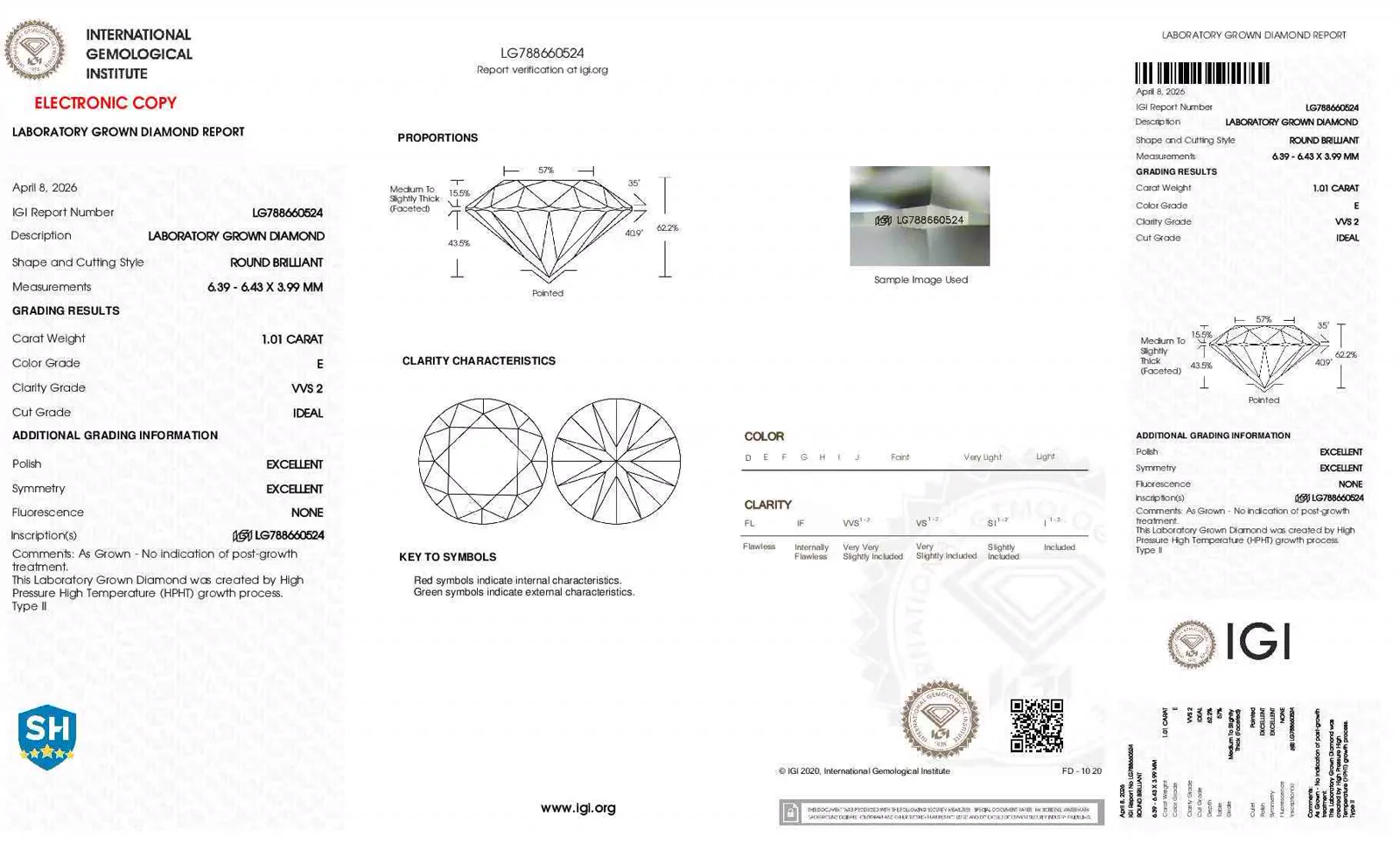
Two separate evidence routes.
Industrial test records and jewelry grading records can share a review discipline without sharing proof.
Material and component record
- 01Sample or lot
Identity, material route, geometry and condition.
- 02Method
Test method, equipment or laboratory context.
- 03Conditions
Temperature, direction, preparation and uncertainty.
- 04Result
Measured, typical or guaranteed classification.
- 05Acceptance
Drawing or project-specific release rule.
Item and grading record
- 01Stone or parcel
Item, pair or controlled lot identity.
- 02Inscription
Visible mark where applicable.
- 03Report
Issuer, number, grades and disclosure.
- 04Media
Mapped image or video reference.
- 05Status
Availability and commercial authorization.
Match each claim to a record.
A report is useful only when the subject, method or issuer, exact result or disclosure, validity, ownership and permission are known. The public sentence must stay inside that boundary.
Anything outside the mapped scope remains a buyer input or a quotation-specific confirmation.
A historical quality-management record, shown with its validity boundary.
The project supplied this document for company-level trust context. Its dates and scope remain visible so it cannot be mistaken for a current certificate or CVD diamond product approval.
- Named subject
- DIAMOVALAB CO., LTD
- Standard shown
- GB/T19001-2016 / ISO 9001:2015
- Scope shown
- Development, production and service of metal powders
- Validity shown
- 22 Nov 2018 – 21 Nov 2021
- Certificate status
- Historical document · a current replacement has not been supplied
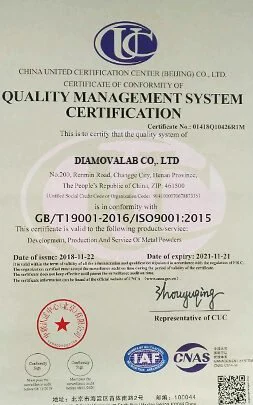
Documents stay item-specific.
These documents were supplied for website use. They illustrate different item records and growth-method disclosures; they are not presented as current stock, a complete supply matrix or proof of a separate physical image.
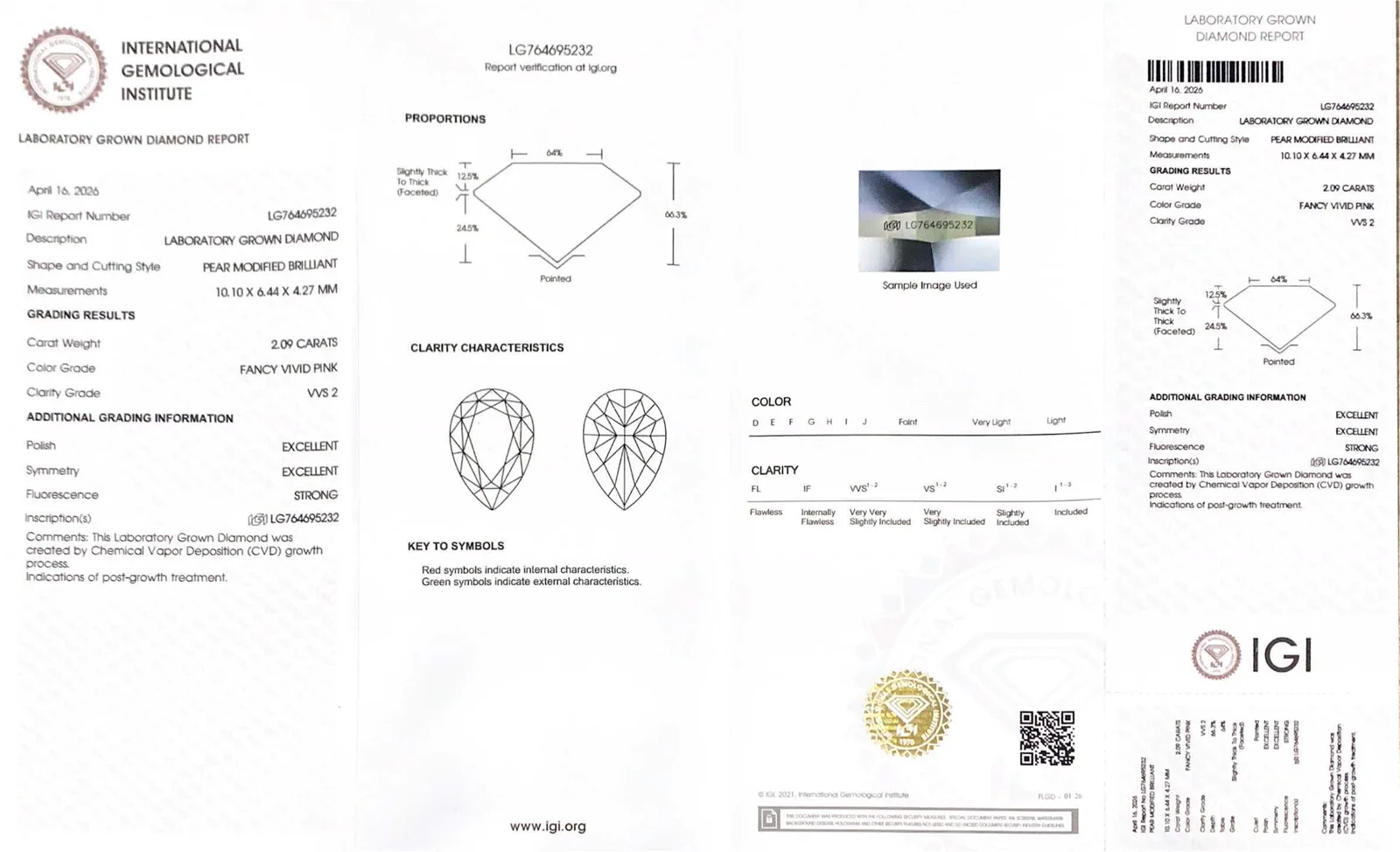
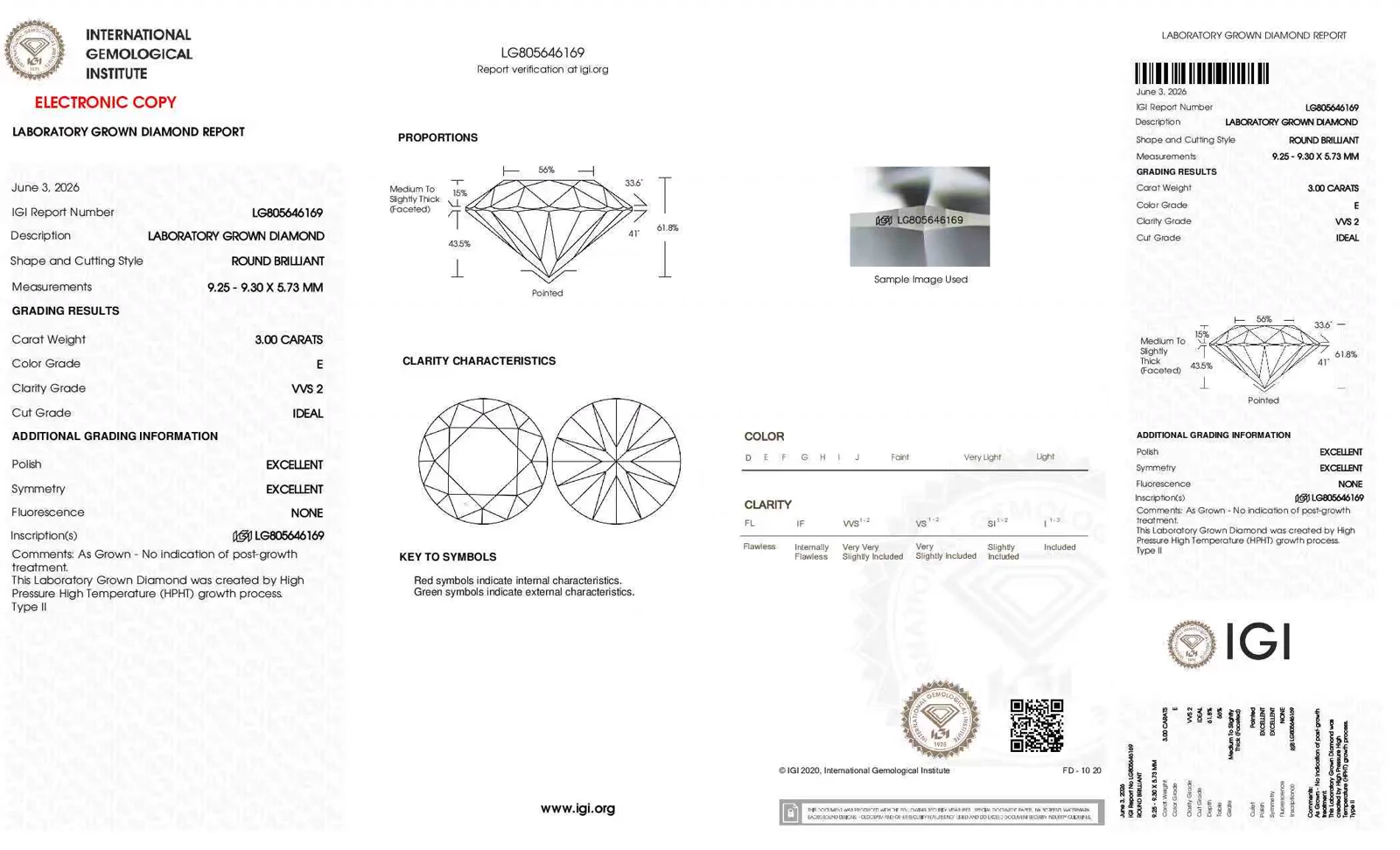
Three claim errors this system prevents.
- 01Reference equipment is not a facility claim.
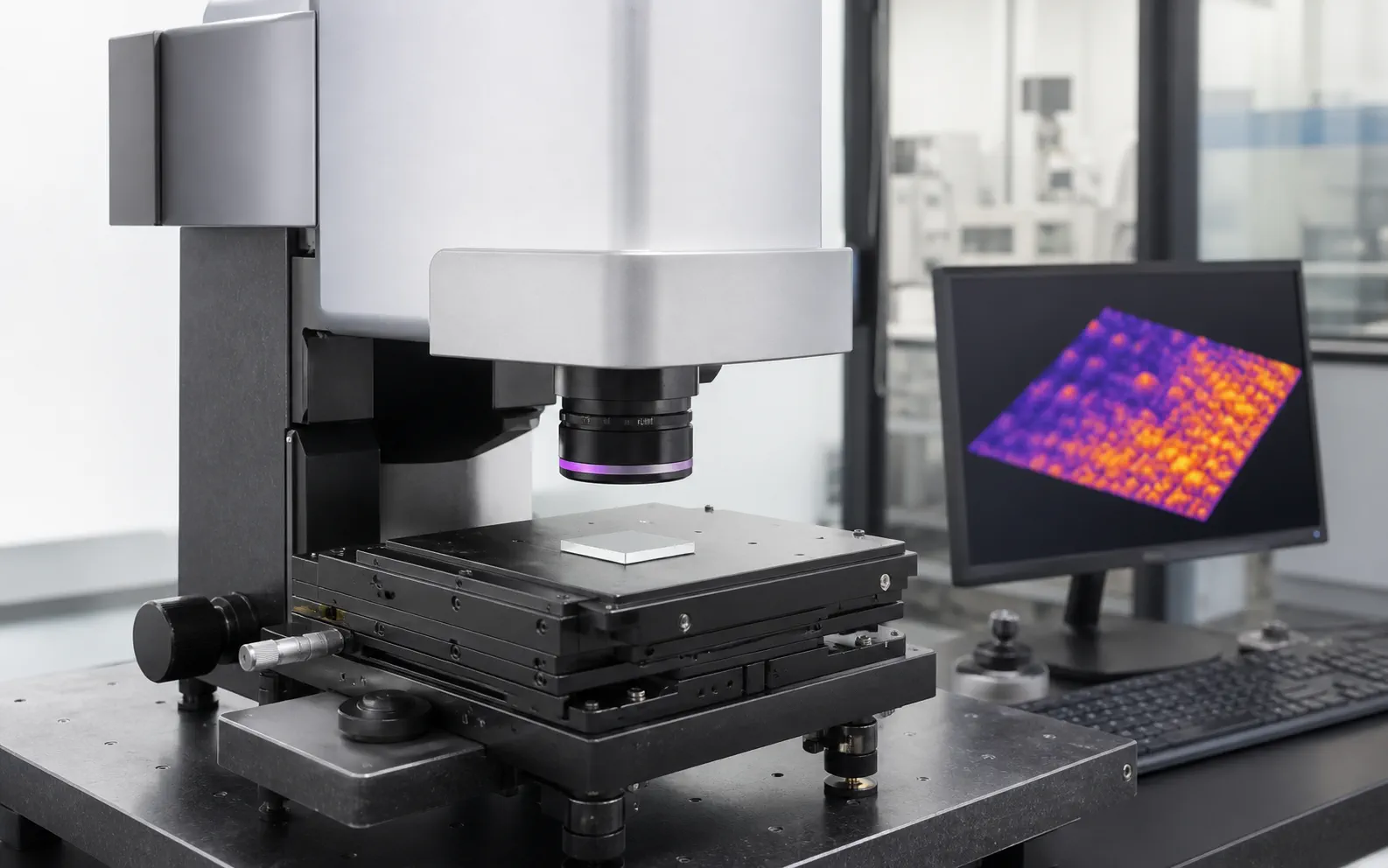
Licensed method imagery can explain context but cannot establish DiamovaLab ownership or capability.
- 02One sample result is not a universal product value.
Material, direction, temperature, preparation and test method stay attached to the result.
- 03One certificate is not an inventory list.
Report identity, physical item, media and availability require their own mapping.
Send the specification and evidence need together.
Choose the industrial or jewelry form so the first review asks for the correct identity and documentation fields.
Evidence & traceability FAQs
Answers keep methods, documents, item identity and public claims within their correct scope.
01Is the ISO 9001 certificate shown on this page current?
No. The supplied document shows a validity period from 22 November 2018 to 21 November 2021 and a metal-powders scope. It is published as a historical company-level record only; a current certificate is required before any current ISO certification claim is made.
02Can an industry reference image prove DiamovaLab testing capability?
No. It may explain a method or context, but testing-capability claims require first-party or clearly authorized evidence tied to the actual business and process.
03What should accompany an industrial thermal result?
At minimum: sample identity, material route, geometry or condition, heat-flow direction, temperature, method, result type and whether the value is typical, measured or guaranteed.
04Does a grading report prove that a stone is currently available?
No. Availability and ownership are separate commercial fields. The report must also be mapped to the item, inscription and media before traceability is claimed.
05Why are industrial and jewelry evidence shown separately?
They answer different procurement questions and use different identities, methods and documents. Separation prevents a jewelry certificate from being treated as industrial proof, or an industrial report from implying jewelry grading.